SHRIYA VAC
Introduction to Vacuum Assisted Closer (VAC)
Negative Pressure Wound Therapy (NPWT)
Overview
In NPWT, a wound is sealed to promote healing through sub-atmospheric pressure applied via a specialized dressing. This continuous pressure draws out edema, removes infectious material, and increases blood flow to the wound area.
Technique
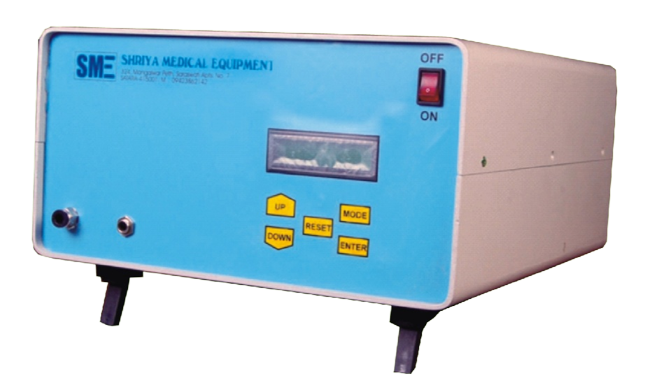
A drainage tube is placed in the wound and sealed with a transparent film. The tube connects to the SHRIYA VAC unit, converting an open wound into a controlled, closed wound system. It removes excess fluid, enhances circulation, and reduces edema — especially useful in chronic wounds (e.g., diabetic ulcers).
Mechanism of Action
- Macro strain: Draws wound edges together, distributes pressure evenly, removes exudate, and maintains wound bed contact.
- Micro strain: Cellular-level deformation that promotes perfusion, granulation tissue formation, and faster healing.
Using SHRIYA VAC results in both macro strain and micro strain for advanced wound healing.
Conditions Treated with Shriya VAC
- Diabetic foot ulcers
- Pressure ulcers & sores
- Skin graft fixation
- Burns and hand injuries
- Sternal wound breakdown
- Abdominal dehiscence
- Flap salvage
- Exposed tendon (lower limb trauma)
- Fistulae & donor sites
- Hidradenitis suppurativa
- Fasciotomy wounds
- Animal bites & extravasation injuries
- Frostbite & spinal cord injuries
- Osteomyelitis
Cost Effectiveness
VAC therapy reduces hospital stays and nursing costs compared to traditional moist gauze dressings. Only 3% of wound management costs relate to dressing—most are nursing and hospital costs. Faster healing with the VAC system lowers these expenses significantly.
Features
-
1) Pressure Settings: 1 mmHg – 20 mmHg
2) Leakage Alarm System
3) Input Supply: 220 VAC / 50Hz
4) Suction On Time: 1–60 minutes
5) Rest Time: 1–60 minutes
6)Standard Accessories:
-
a) Bacteria/Virus Filter (1 No.)
b) Suction Funnel (1 No.)
c) Suction Bottle (1 No.)
d) Machine Stand (Optional)
| Barrier in wound healing | How SHRIYA VAC accelerates wound healing ? |
|---|---|
| Excess bacterical burden | Remove infectious materials |
| Inadequate protection against infection | Provides protected wound healing environment |
| Excess exudate | Removes exudate |
| Excess edema (interstitial fluid) | Reduce edema (interstitial fluid) |
| Absence of moisture | Provides a moist wound healing environment |
| Lack of adequate blood flow | promote perfusion |
| Lack of granulation tissue | Removes Barriers to cell migration and proliferation |